
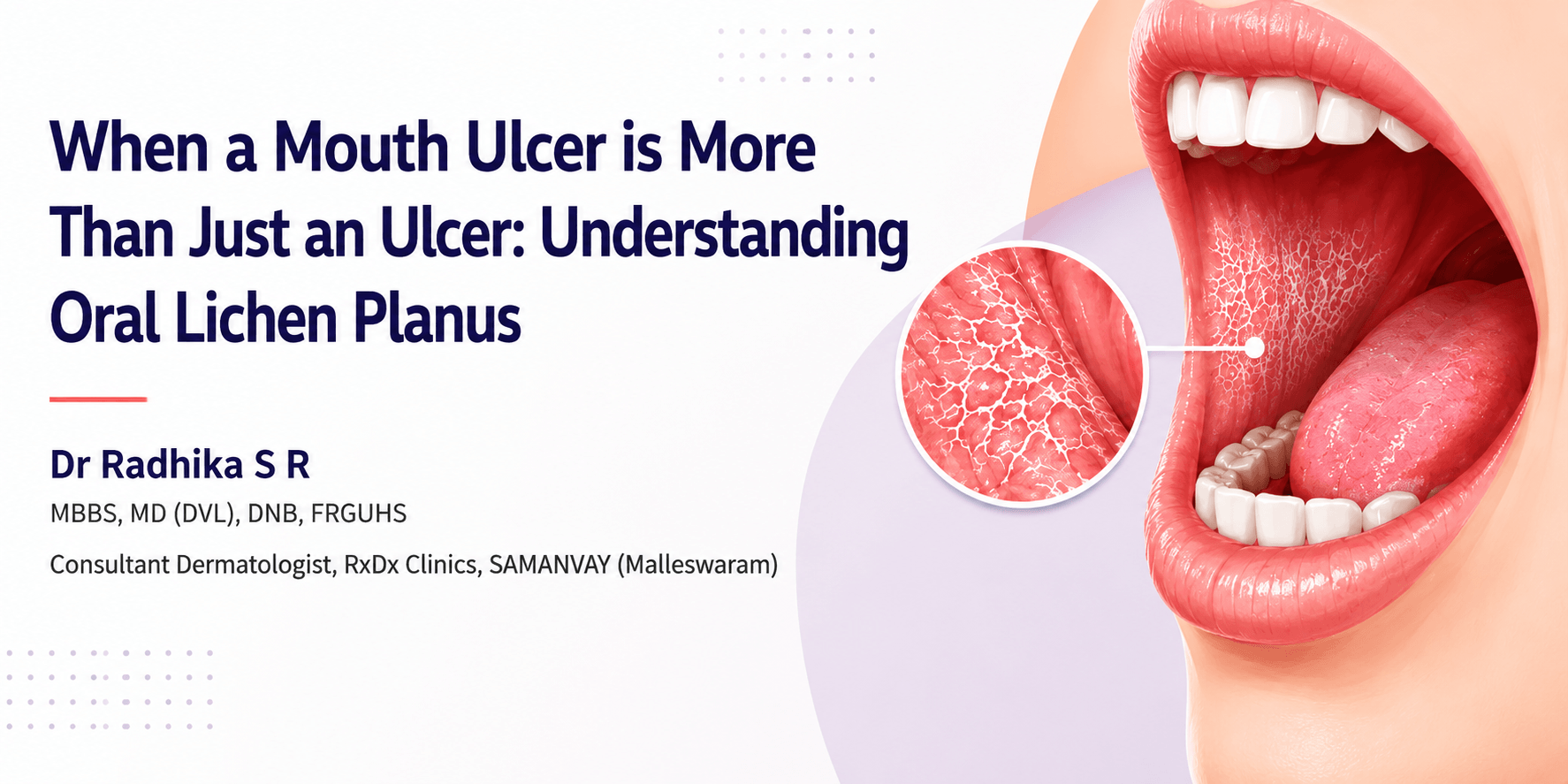
A mouth ulcer that shows up occasionally, then disappears – that’s normal; there’s nothing to lose sleep over. But if you’ve had ulcers or soreness in your mouth coming back for months, that’s worth a second look.
Sometimes it isn’t a mouth ulcer at all. It could be oral lichen planus.
What is oral lichen planus?
It’s a condition where your immune system triggers inflammation on your skin or the moist linings of your body, including your mouth. If it’s affecting your mouth, you might notice:
- fine, white or purplish, lace-like patterns inside your cheeks
- red, inflamed patches
- sores or erosions
- burning or discomfort, especially with spicy or acidic food
- patches that look like ulcers that just won’t heal
It’s not an infection, and you can’t pass it on to anyone.
Why can it be mistaken for an ordinary mouth ulcer?
Recurring ulcers usually get blamed on stress, food, a minor bite or injury, or a vitamin deficiency, and most of the time, that’s a fair guess. But if yours keeps recurring, has stuck around for weeks, or you’re noticing anything unusual on your skin or genitals too, it’s time to get it looked at properly. A dermatologist can often spot telling patterns just from where the lesions are and what they look like, though sometimes further testing is needed to be sure.
Can lichen planus affect areas other than your mouth?
Yes, it isn’t limited to your mouth. It can affect your skin, scalp, nails, and genital area too. Several skin conditions can look similar, so this isn’t something to self-diagnose or self-treat.
Why might a biopsy be recommended?
If your presentation strongly suggests lichen planus, your doctor may recommend removing a tiny piece of tissue to examine under a microscope — a histopathological examination (HPE). It sounds bigger than it is; it’s a small procedure that answers one specific question – does your tissue show the changes typical of lichen planus? It also helps rule out other conditions that can look a lot alike.
What is Grinspan Syndrome?
You may have come across this term before. It refers to oral lichen planus occurring together with diabetes and high blood pressure. If you have diabetes or hypertension, that alone doesn’t mean you have Grinspan Syndrome — oral lichen planus still needs to be clinically confirmed and, where appropriate, backed up by a biopsy.
In clinical experience, only around 1–2% of patients with diabetes or hypertension who report mouth ulcers or a burning sensation in the mouth actually turn out to have oral lichen planus. Even so, the oral cavity is routinely examined in diabetic and hypertensive patients who mention these symptoms. The low probability doesn’t make it any less worth checking, especially given the Grinspan association.
In clinical experience, only around 1–2% of patients with diabetes or hypertension who report mouth ulcers or a burning sensation in the mouth actually turn out to have oral lichen planus.
Even so, the oral cavity is routinely examined in diabetic and hypertensive patients who mention these symptoms. The low probability doesn’t make it any less worth checking, especially given the Grinspan association.
A clinical example
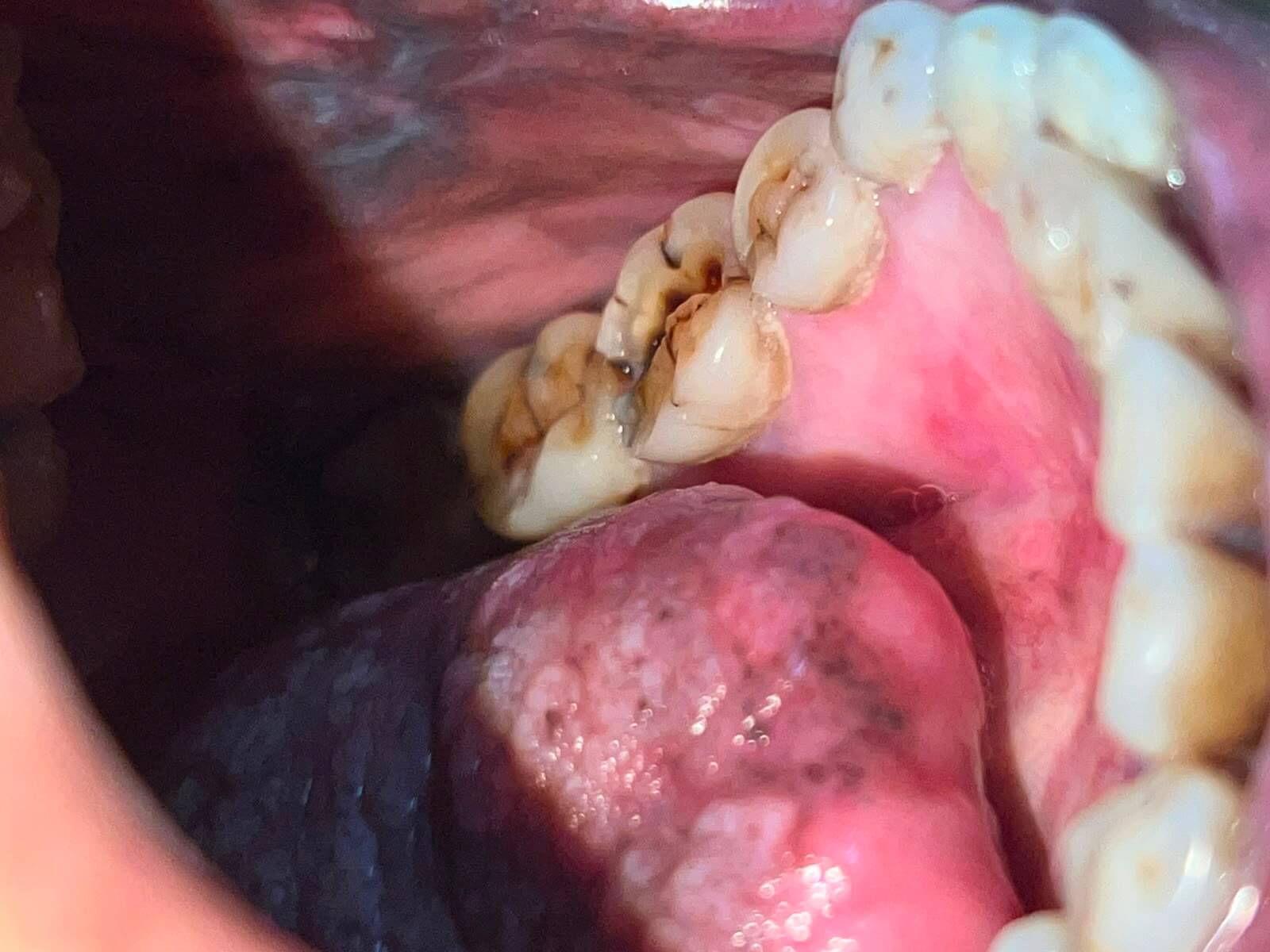
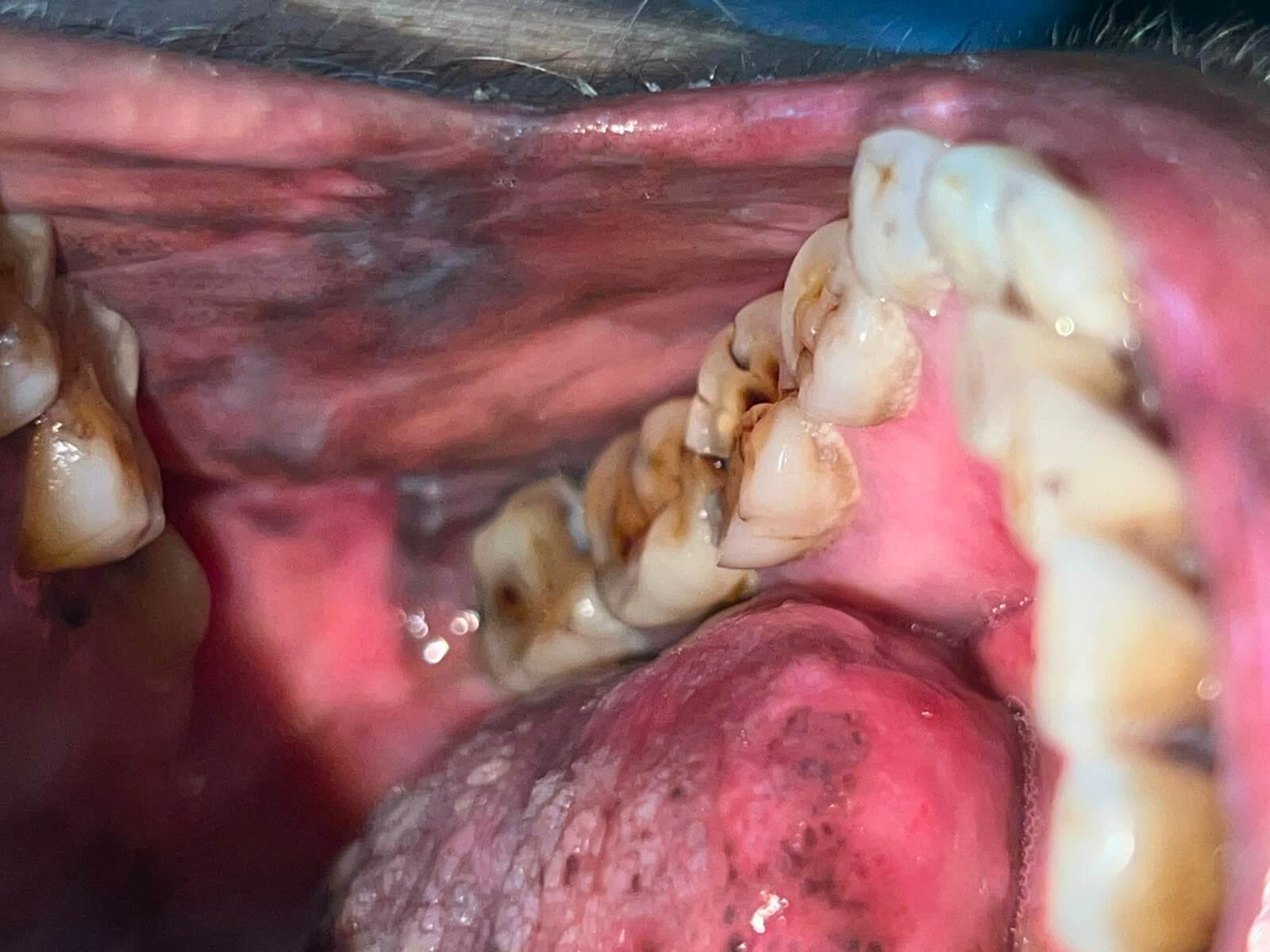
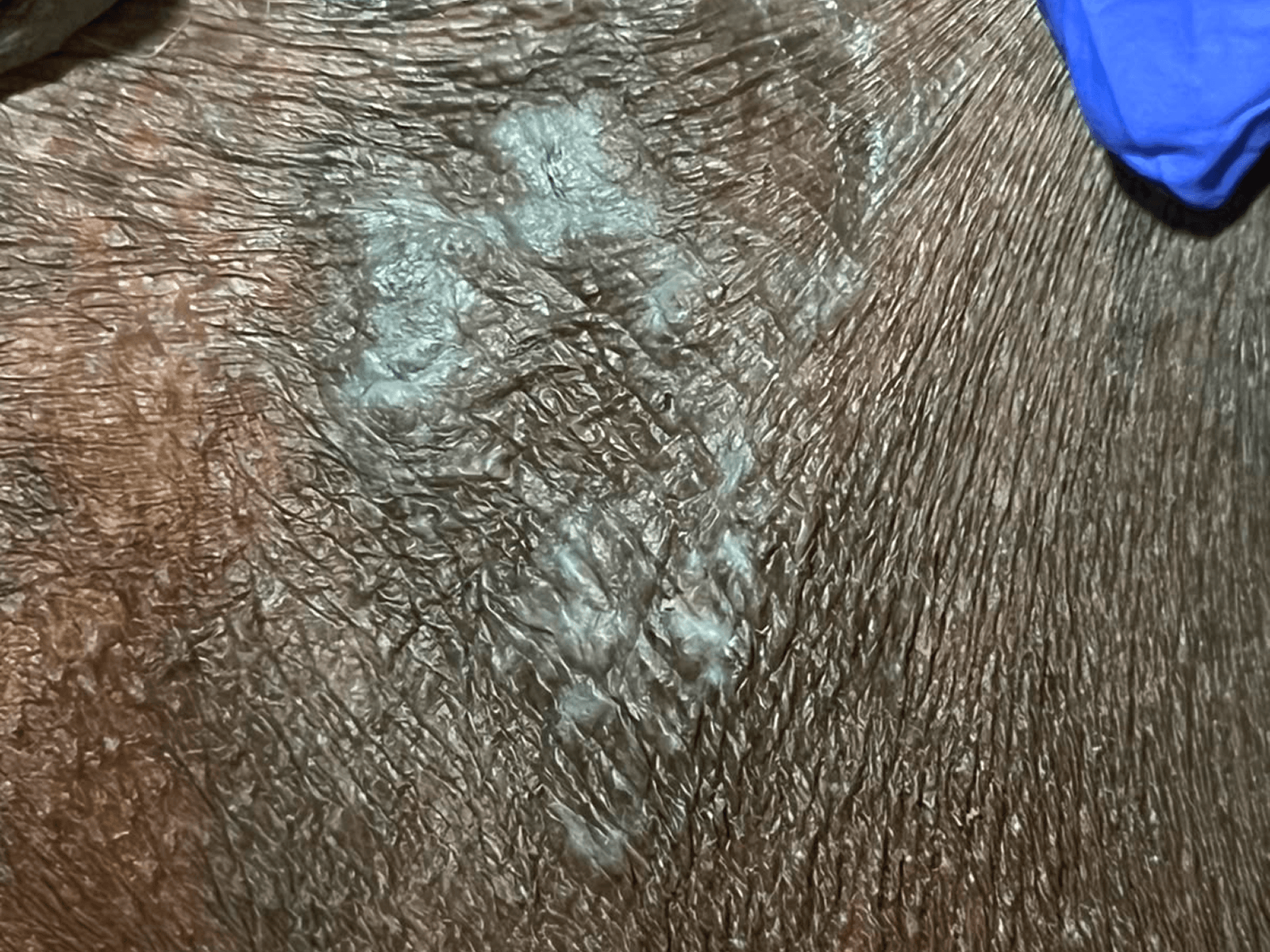
An elderly patient presented with recurrent oral lesions occurring intermittently for over a year, along with new lesions in the groin/genital region. Examination revealed characteristic purplish, lace-like changes and erosions in the mouth, with similar findings in the groin. Lichen planus was the provisional diagnosis, confirmed on biopsy. The patient also had diabetes and hypertension, the combination classically associated with Grinspan Syndrome.
A reminder that a persistent or recurring mouth lesion shouldn’t automatically be written off as “just an ulcer”.
A reminder that a persistent or recurring mouth lesion shouldn’t automatically be written off as just an ulcer
Is lichen planus treatable?
Yes. What works depends on where it’s affecting you, how severe your symptoms are, and how extensive it is. Your dermatologist can recommend options to bring down the inflammation and ease your symptoms. If it’s affecting your mouth or genital area, those spots often need closer, longer-term monitoring. The right approach comes after an in-person exam and, if needed, further tests.
When should you see a doctor?
Get it checked if you’re noticing:
- Mouth ulcers or sores that keep coming back
- A lesion that isn’t healing the way it should
- Persistent burning or discomfort in your mouth
- White, red, or purplish patches inside your mouth
- Unexplained lesions around your genital or groin area
- Similar lesions elsewhere on your skin
- Symptoms that aren’t responding to routine “mouth ulcer” treatment
The key message
Most mouth ulcers are harmless and clear up on their own. If yours is persistent, recurring, looks unusual, or you notice lesions elsewhere too, it’s worth getting properly evaluated. The earlier it’s looked at, the more straightforward the diagnosis and treatment tend to be. Consult a dermatologist or qualified healthcare professional rather than repeatedly self-treating them.
This article is for general health education and isn’t a substitute for an individual medical consultation.
Medical Inputs and Clinical Review by