What is Concussion (Return-to-Sport Protocol)? A concussion is a type of mild brain injury caused by a bump, blow, or jolt to the head or body that affects brain function. The Return-to-Sport (RTS) Protocol is a structured step-by-step plan that guides athletes safely...
DEXA Benefits & Limitations: What the Test Can (and Can’t) Tell You
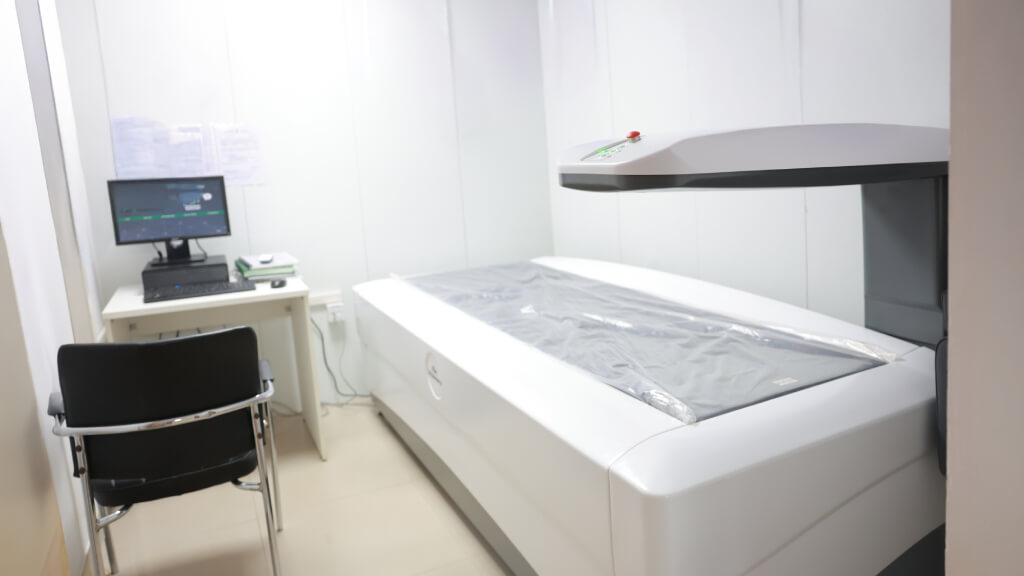
The DEXA scan (Dual-Energy X-ray Absorptiometry) is widely recognized as the gold standard for measuring bone density. It’s safe, quick, and reliable—but like any medical test, it has strengths and limitations. Knowing both helps you make an informed decision.What a...
Is a DEXA Scan Scary? Here’s Exactly What to Expect
When your doctor recommends a DEXA scan (Dual-Energy X-ray Absorptiometry), it’s natural to feel a little nervous. Words like “scan” and “radiation” can sound intimidating. But here’s the truth: a DEXA scan is one of the simplest, safest medical tests you’ll ever...
Exercise as Medicine: How Weight-Bearing Workouts Protect Your Bones
Most people know exercise strengthens muscles—but did you know it strengthens bones too? Every time you walk, climb stairs, or lift weights, you’re telling your bones: “Stay strong, I need you.” That’s why doctors and physiotherapists often prescribe exercise...
Chondromalacia Patella: How a Physiotherapist Can Help
Chondromalacia Patella, commonly known as "Runner's Knee," is a condition where the cartilage underneath the kneecap (patella) softens and deteriorates. This leads to pain and discomfort, especially during movement. While it’s often associated with athletes, this...
Osteopenia vs Osteoporosis: What Your DEXA Report Means
When you get your DEXA scan report, you’ll see numbers called T-scores. At first glance, they may look intimidating—but they’re simply a way of measuring how dense your bones are compared to those of a healthy young adult. Understanding these scores is the first step...
Who Really Needs a DEXA Scan? From Postmenopausal Women to Athletes
A DEXA scan (Dual-Energy X-ray Absorptiometry) is the gold standard for measuring bone density. But is it something everyone needs? Not exactly. While bone health matters to all of us, certain groups are at a much higher risk of bone loss and fractures. For them, a...
Vitamin D & Calcium: The Unsung Heroes of Bone Health
When we think of strong bones, most of us imagine calcium. But without its partner, vitamin D, calcium can’t do its job. Together, they are the dynamic duo of bone health—quietly protecting you every day.Why Calcium Matters Calcium is the building block of bone....
Fall-Proof Your Future: Simple Home Hacks to Prevent Fractures
Most fractures in older adults don’t happen during mountain hikes or extreme sports—they happen at home. A slippery bathroom, a loose rug, or poor lighting can turn into a fracture risk, especially if bones are already fragile from osteoporosis. The good news? A few...
Urinary Incontinence: A Manageable Condition with Physiotherapy
What is Urinary Incontinence Urinary incontinence means leaking urine when you don’t want to. It’s a common condition where a person loses control over their bladder, leading to accidental leakage during activities like coughing, sneezing, laughing, or...