
RxDx Whitefield has been Bengaluru’s trusted centre for advanced CT imaging since 2014 – backed by a global teleradiology network that reports for over 200 hospitals worldwide.
When your doctor advises a CT scan, you want it done quickly, accurately, and without surprises. That’s exactly what we deliver.
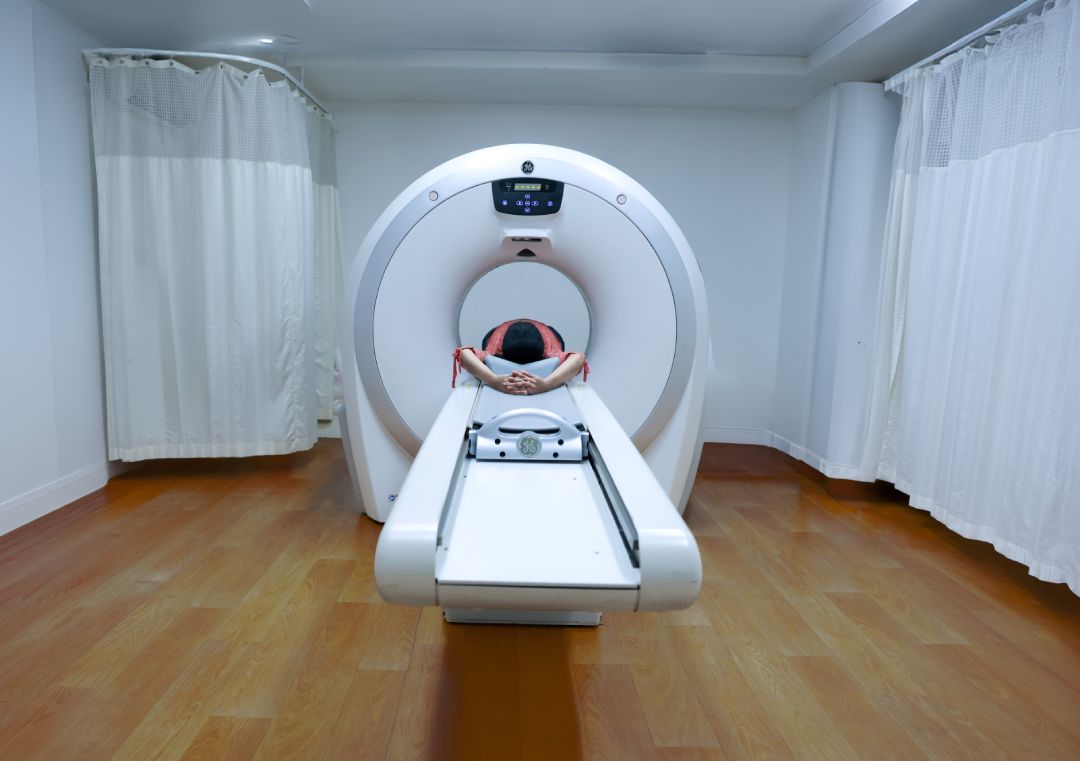
CT Scan in Whitefield
Enquire for CT Scan
Why Patients Choose RxDx Whitefield

Global-Standard Reporting
Our radiologists are part of the Teleradiology Group – a network trusted by 200+ hospitals across India and globally since 2002.

Best Value in Bengaluru
Competitive rates typically lower than major hospitals and diagnostic chains – without compromising quality.

24×7 with Minimal Waiting
Full CT services around the clock. Urgent slots available. Most patients experience minimal to no waiting.

Advanced Low-Dose Technology
International-standard CT machines with low-dose protocols – precise imaging, minimal exposure.

Transparent Pricing
Scan type (plain vs. contrast) and exact pricing confirmed before your scan begins.

End-to-End Support
From safety checks before contrast administration to digital report delivery within communicated timelines – every step handled.
Pricing Of Frequently Requested CT Scans
Our CT scan prices are among the most competitive in Bengaluru – without compromising on world-class reporting,
clinical expertise, or turnaround time.
Head & Spine
| Scan | Price (₹) |
|---|---|
| CT Brain – Plain | ₹1,500 |
| CT PNS – Plain | ₹1,500 |
| CT PNS – With Contrast | ₹3,700 |
| CT Neck – Plain | ₹3,500 |
| CT Neck – With Contrast | ₹5,500 |
| CT Orbit – Plain | ₹3,600 |
| CT Temporal Bone | ₹3,500 |
| CT Lumbosacral Spine | ₹4,500 |
Body & Extremities
| Scan | Price (₹) |
|---|---|
| CT Chest HRCT – Plain | ₹3,500 |
| CT Chest HRCT – With Contrast | ₹5,300 |
| CT Abdomen – Plain | ₹3,500 |
| CT Abdomen – With Contrast | ₹5,500 |
| CT KUB – Plain | ₹3,500 |
| CT KUB – With Contrast | ₹5,500 |
| CT Extremities | ₹4,000 |
| CT Peripheral Angiogram | ₹6000 |
You can walk in with a valid prescription or book your preferred slot online. Our team will guide you at every step.
Understanding Your Scan Protocol: Plain vs. Contrast
A CT scan uses X-rays and computer processing to create detailed cross-sectional images of your internal organs, bones, blood vessels, and soft tissues. Depending on what your doctor needs to see, it will be performed in one of two ways:
Plain (Non-Contrast)
What it is: Basic structural imaging without injected dye.
Best for: Bones, kidney stones, brain bleeds, lung tissue.
With Contrast
What it is: Uses an injected agent to highlight blood vessels, tumours, or inflammation.
What to expect: A brief warm sensation during the injection — normal and temporary.

Safety Protocols
Before contrast: Kidney (creatinine) and allergy history reviewed.
Fasting: May be advised for contrast scans. Instructions given at booking.
Pregnancy: CT generally avoided unless clinically essential. Verified before scanning.
You’ll always be told in advance.
Your CT Scan Journey at RxDx Whitefield
We’ve designed the process to be simple, efficient, and fully transparent — from the moment you book to the moment your report is delivered.
1

Share Requirement
Tell us your scan type & prescription. Not sure? Our team guides you.
2

Slot Confirmation
Choose date & time. Urgent slots available 24×7. Safety details verified.
3

Arrival
Quick registration. Prescription verified. Painless process, takes minutes.
4
The Scan
Performed on advanced low-dose machines. Typically 5–15 minutes
5

Radiologist Review
Images interpreted by qualified radiologists. Clinical questions addressed.
6
Report Delivery
Digital delivery within communicated timeline. Consultations available.
Not Sure Which Scan You Need? Here’s How to Read Your Referral
Your doctor has recommended a CT scan — but which one, and why? CT scans come in many types, each designed for a specific part of the body and a specific clinical question. Getting the right one makes all the difference. The section below walks you through every common CT scan type, what it’s used for, and what to expect when you come in.
At RxDx, every scan is matched to your clinical need from the moment you book — our team handles the protocol, the preparation, and the reporting, so you walk in with clarity and walk out with answers.
- Region I
The Neurocranium - Region II
Neck & Thorax - Region III:
Abdomen & Pelvis - Region IV:
Extremities (Musculoskeletal)
Region I: The Neurocranium
Brain · Sinuses · Ear — Evaluating acute neurological changes and sensory structures
When something doesn’t feel right with your head — sudden headaches, dizziness, a recent knock, or neurological symptoms you can’t explain — your doctor may want to look closer at your brain and skull. CT imaging of the neurocranium is fast, detailed, and designed to catch things that need to be caught quickly. Plain CT offers high sensitivity for haemorrhage and fractures; contrast is added when tissue differentiation is needed.
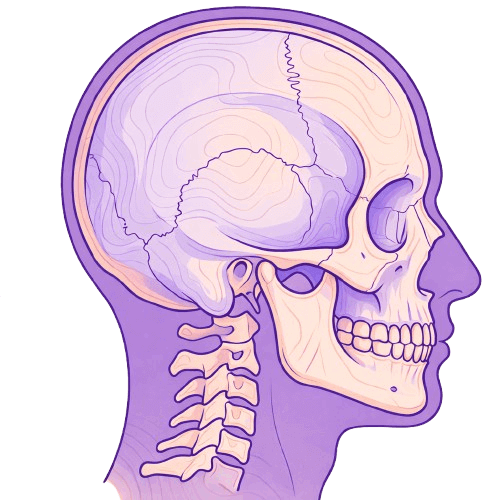
CT Brain
A CT Brain is one of the most common scans we perform — and one of the most important. If you’ve had a head injury, a sudden severe headache, a seizure, or any unexplained change in how you’re feeling mentally or physically, your doctor may have referred you for this scan. It’s painless, quick, and gives your doctor a clear picture of what’s happening inside your skull.
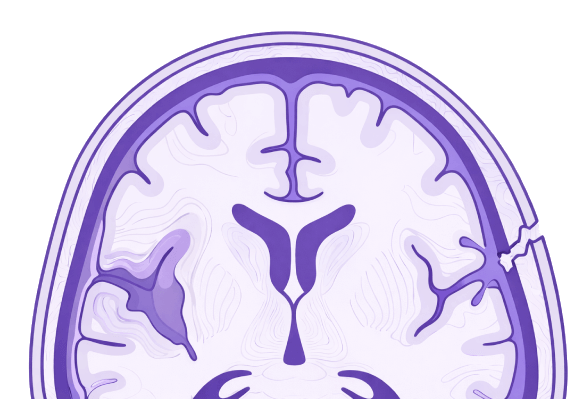
Plain (Non-Contrast)
THE ACUTE STANDARDEspecially useful for detecting bleeding, fractures, mass effect, or acute changes.
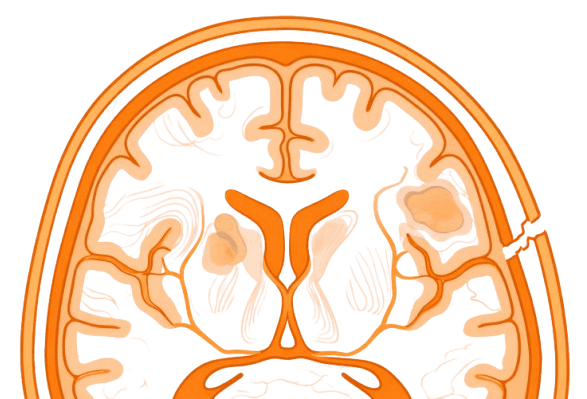
Contrast Enhanced
SELECTED CASESAdvised for suspected tumors, infections, or vascular abnormalities.
Book your CT Brain at RxDx — results typically available the same day.
CT PNS (Paranasal Sinuses) & CT Temporal Bone
Chronic sinusitis · Facial pain · Hearing loss · Ear infections · Pre-surgical ENT planning
Blocked sinuses, chronic facial pain, recurring ear infections, or hearing that just isn’t what it used to be — these are symptoms that deserve more than a guess. A CT of the sinuses or the ear gives your ENT specialist a detailed map of what’s going on, right down to the bone — far beyond what an X-ray can show. CT PNS maps the sinus cavities and bony anatomy; CT Temporal Bone images the inner and middle ear, mastoid region, and ossicular chain.
Sensory Structures: Paranasal Sinuses & Temporal Bone
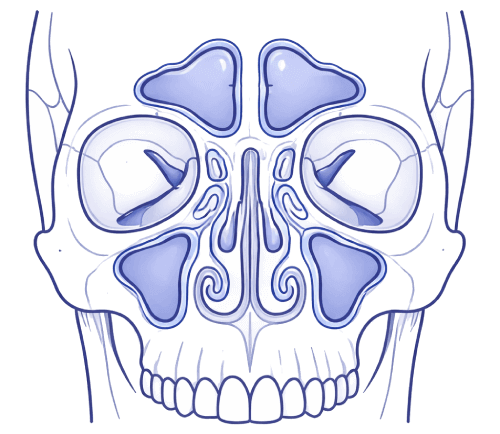
CT PNS (Paranasal Sinuses)
Context: Chronic sinusitis, facial pain/pressure, nasal blockage, and ENT planning.
Detail: Provides detailed images of sinus cavities and bony anatomy.
Protocol: Mostly non-contrast unless complications suspected.
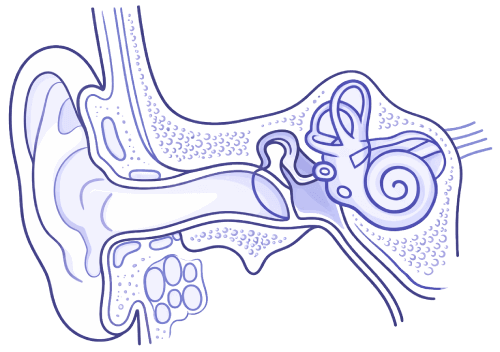
CT Temporal Bone
Context: Chronic ear infections, hearing loss, congenital abnormalities, pre-surgical assessment.
Detail: Specialized imaging for inner/middle ear and mastoid region.
Protocol: Typically non-contrast.
Book your appointment at RxDx today — and get the clarity your ENT specialist needs.
Region II: Neck & Thorax
Differentiating soft tissue, vascularity, and pulmonary parenchyma
A swelling in your neck. Breathlessness that’s been going on too long. A cough that won’t quit. The neck and thorax hold some of the body’s most vital structures, and CT is one of the most reliable ways to understand what’s going on. Contrast protocols differ significantly between the two zones — neck imaging frequently requires contrast for soft tissue delineation, while pulmonary evaluation often does not.
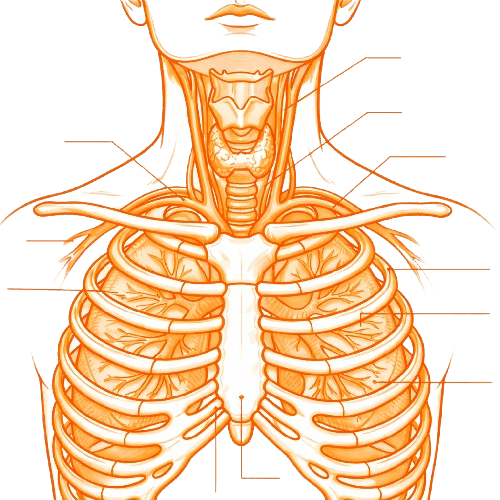
CT Neck
Neck swellings · Enlarged lymph nodes · Thyroid concerns · Salivary gland issues · Suspected tumours
Noticed a lump in your neck? Swollen glands that haven’t gone down? Your doctor may have concerns about your thyroid, your lymph nodes, or the soft tissues of your neck that they want to investigate properly. A CT Neck gives a detailed, cross-sectional view of everything from your jawline to your collarbone — and it’s often the scan that provides the clearest picture when something needs to be ruled out or confirmed.

The Contrast Rule
Contrast is often used to improve evaluation of soft tissues and vascular structures.
CONTRAST REQUIRED (Standard)
Book at RxDx — our team will guide you through every step of the process.
CT Chest HRCT (High Resolution)
Chronic cough · Breathlessness · Interstitial lung disease · Fibrosis · Post-infective lung changes
If you’ve been referred for an HRCT of the chest, it’s because your doctor wants to look very closely at your lung tissue — not just a general chest image, but a high-definition picture of the fine structure inside your lungs. This is the scan of choice for conditions like interstitial lung disease, unexplained breathlessness, or changes seen on a chest X-ray that need to be examined more carefully. HRCT uses thin-section imaging to capture fine lung detail that no other scan can match.
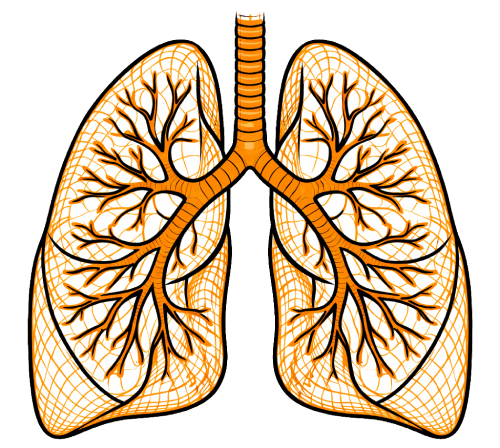
High-detail imaging of lung tissue.
- Primary Indication: Chronic cough, breathlessness, interstitial lung disease (ILD), fibrosis, or post-infective lung changes.
- HRCT uses thin-section imaging to capture fine lung detail.
- Usually performed without contrast unless clinically indicated.
PLAIN (Standard)
Book today — same-day reporting available.
Region III: Abdomen & Pelvis
From renal calculi to complex organ pathology
Abdominal pain, bloating, unexplained weight loss, a feeling that something just isn’t right — these are the symptoms that often lead to a CT of the abdomen or pelvis. This is the most frequently imaged region in CT, and also the one where protocol decisions matter most. Depending on where your symptoms are and what your doctor suspects, you may be referred for a full CT Abdomen & Pelvis, a more focused study, or a CT KUB for the urinary tract.
CT KUB (Kidneys, Ureters, Bladder)
Kidney stones · Flank pain · Blood in urine · Urinary obstruction
If you’ve ever had a kidney stone, you know the pain is unforgettable. If you’re experiencing that severe, wave-like flank pain for the first time — or if there’s blood in your urine that’s raised a concern — a CT KUB is likely the scan your doctor has ordered. It’s the most accurate way to confirm whether a stone is present, where it is, how large it is, and whether it’s causing a blockage.
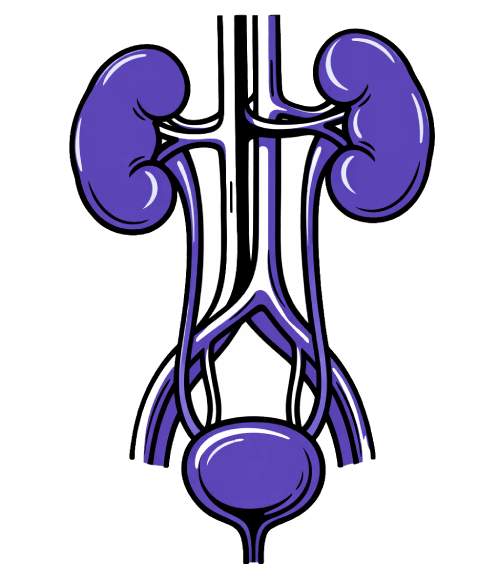
The mission: Search for calculi and obstruction.
Indications :
Suspected kidney stones, flank pain, blood in urine, or urinary obstruction.
Protocol Nuance :
- Non-Contrast (Preferred): Identifies stone size, location, and blockage.
- Contrast: Only for evaluating structural abnormalities or complications.
PLAIN (Gold Standard for Stones)
If you’re in pain and need answers fast, book your CT KUB with us now.
CT Abdomen & Pelvis
Acute abdominal pain · Appendicitis · Infection/inflammation · Masses · Obstruction · Trauma
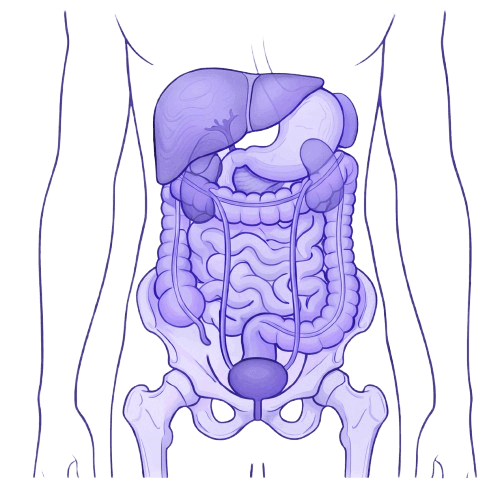
When abdominal pain is severe, sudden, or simply unexplained — and basic tests haven’t given a clear answer — a CT Abdomen & Pelvis is often the investigation that unlocks the diagnosis. From appendicitis to bowel obstruction, from ovarian cysts to liver lesions, this scan gives your doctor a comprehensive look at nearly everything in your abdominal and pelvic cavity at once — liver, pancreas, spleen, kidneys, intestines, bladder, and reproductive organs.
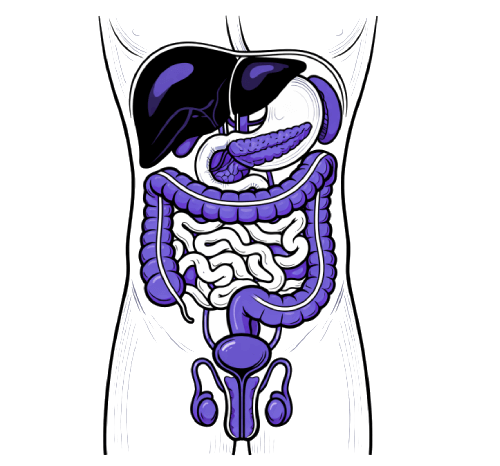
Acute abdominal pain, suspected appendicitis, infection/inflammation, masses, obstruction, or trauma
Scope :
Liver, pancreas, spleen, kidneys, intestines, bladder, and reproductive organs
Protocol :
Contrast is used when it improves diagnostic clarity (standard for inflammation/masses).
CONTRAST (Recommended)
Book your CT Abdomen & Pelvis at RxDx — urgent reporting available for time-sensitive cases.
Focused Imaging: CT Abdomen (Upper) vs. CT Pelvis (Lower)
Sometimes your doctor doesn’t need to image the entire abdomen — just one part of it. A CT Upper Abdomen focuses on the liver, gallbladder, pancreas, and spleen — ideal for hepatic lesion follow-up, pancreatic evaluation, or upper quadrant masses. A CT Pelvis targets the bladder, reproductive organs, lymph nodes, and pelvic bones — used for pelvic pain, urological complaints, suspected tumours, or post-operative follow-up. Contrast decisions for both are based on clinical indication and safety history.
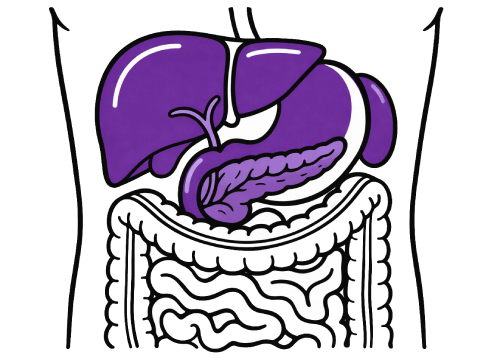
CT Abdomen (Upper)
Focus :
Liver, pancreatic evaluation, abdominal masses, infection, or follow-up.
Protocol :
Plain vs. contrast based on clinical question/safety.
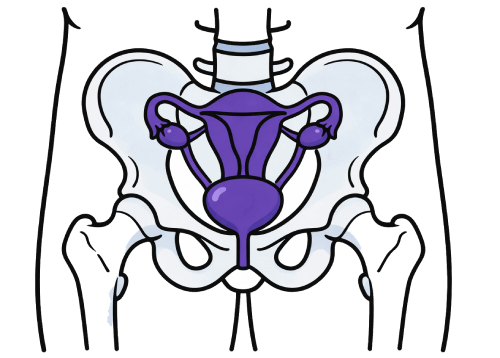
CT Pelvis (Lower)
Focus : Bladder, reproductive organs, lymph nodes, pelvic bones.
Indications: Pelvic pain, trauma, suspected tumors, infections.
Protocol : Contrast depends on indication.
Not sure which applies to you? Just bring your referral — our team will take care of the rest.
Region IV: Extremities (Musculoskeletal)
Provides greater anatomical detail than standard X-rays
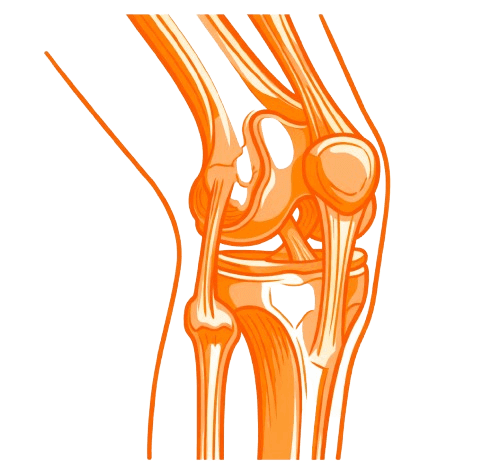
An X-ray didn’t give a clear enough picture. The fracture is complex. Your orthopaedic surgeon needs to see the bone in three dimensions before planning surgery. Or perhaps there’s a lump near the bone that needs to be evaluated more carefully. This is where a CT of the extremities — arms, legs, joints — comes in. It sees what an X-ray misses, and delivers the multiplanar reconstruction your specialist needs for confident decision-making.
CT of the limbs and joints is typically done without contrast for fracture definition, and with contrast when soft tissue or tumour involvement needs to be assessed. At RxDx, reports include detailed 3D multiplanar reconstructions as standard.
Book your musculoskeletal CT at RxDx today.
Clinical Pathways: From Symptom to Scan
CT scans are advised based on specific symptoms and clinical needs. Below are five common situations where a CT scan is typically recommended, along with the type of scan performed. The final decision on scan type and protocol is always guided by your doctor’s prescription and confirmed by our radiology team.
- Pathway 01:
ER / Trauma - Pathway 02:
Acute Abdominal Pain - Pathway 03:
Head Injury / Neurology - Pathway 04:
Respiratory / Lung Symptoms - Pathway 05:
ENT / Sinus Symptoms
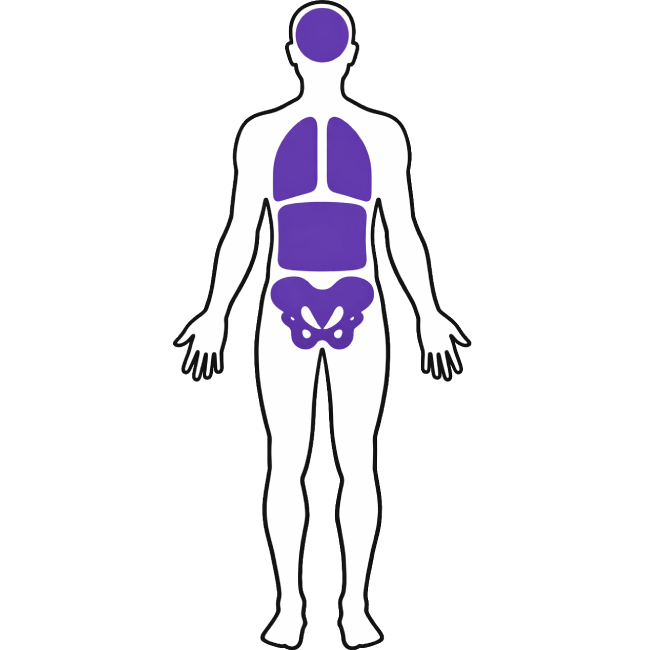
Pathway 01: ER / Trauma
Best for: Road traffic accidents (RTA), significant falls, suspected internal injury.
Clinical goal: Rapid identification of life-threatening haemorrhage or fracture.
Scan coverage: CT Brain + Chest + Abdomen & Pelvis (as clinically advised).
Recommended scan: Whole-body Trauma CT
Contrast: Determined in real time by the treating team based on stability and injury pattern.
After a serious accident or trauma, time is critical. A whole-body CT gives doctors the fastest, most complete picture of what’s happening inside. At RxDx, urgent trauma imaging is handled with fast turnaround and immediate communication of critical findings to your referring doctor.
Book today, or call us if you need to be seen urgently.
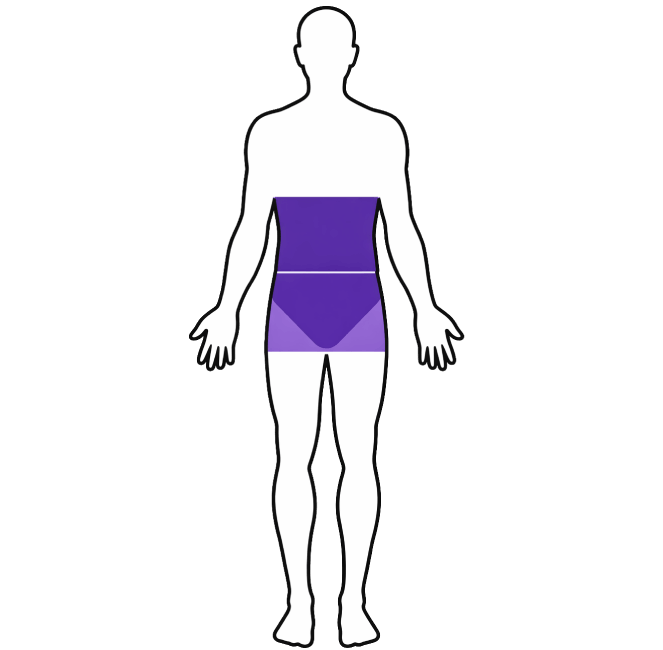
Pathway 02: Acute Abdominal Pain
Contrast: Contrast recommended in most cases for diagnostic clarity — confirmed at booking.
Severe abdominal pain that’s getting worse, not better, needs to be investigated properly. CT Abdomen & Pelvis is the investigation that gives your doctor clarity when clinical examination alone isn’t enough. At RxDx, acute abdominal CT scans are prioritised and reported promptly.
Don’t delay — book now or call us. We’ll get you in as soon as we can.
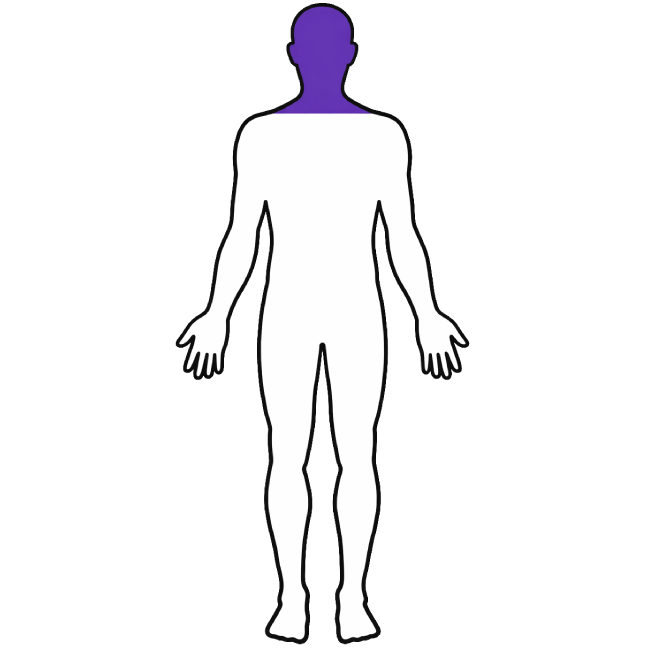
Pathway 03: Head Injury / Neurology
Contrast: Plain (standard). Contrast only if specifically indicated after acute phase.
Head injuries, seizures, and suspected strokes require neuroimaging without delay. CT Brain (Plain) can detect bleeding, pressure, or structural changes within minutes. It’s fast, painless, and requires no special preparation. At RxDx, CT Brain is available with urgent reporting.
Book today, or call us if you need to be seen urgently.
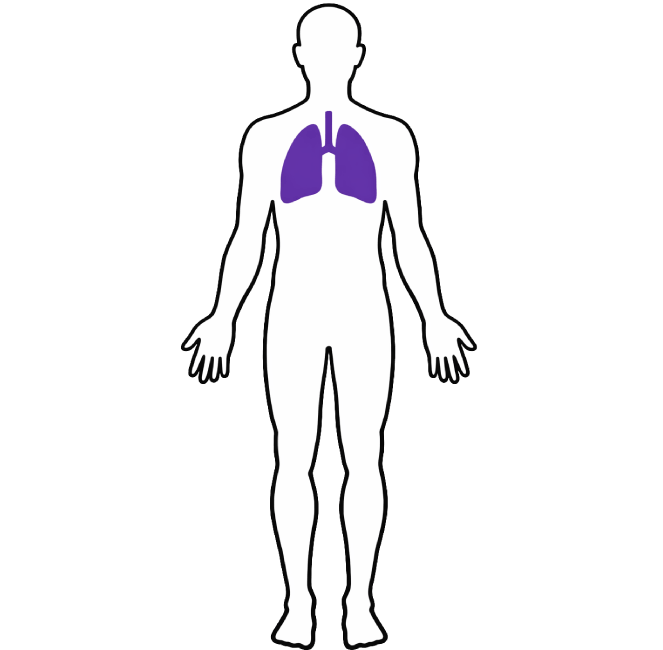
Pathway 04: Respiratory / Lung Symptoms
A cough that’s been going on for weeks, breathlessness that gets worse with activity, or an abnormality on a chest X-ray — HRCT Chest is the scan your doctor reaches for. No injections, no special preparation, usually done within 15 minutes. Just hold your breath for a few seconds during the scan.
Book your HRCT Chest at RxDx — and breathe a little easier knowing you’re getting answers.
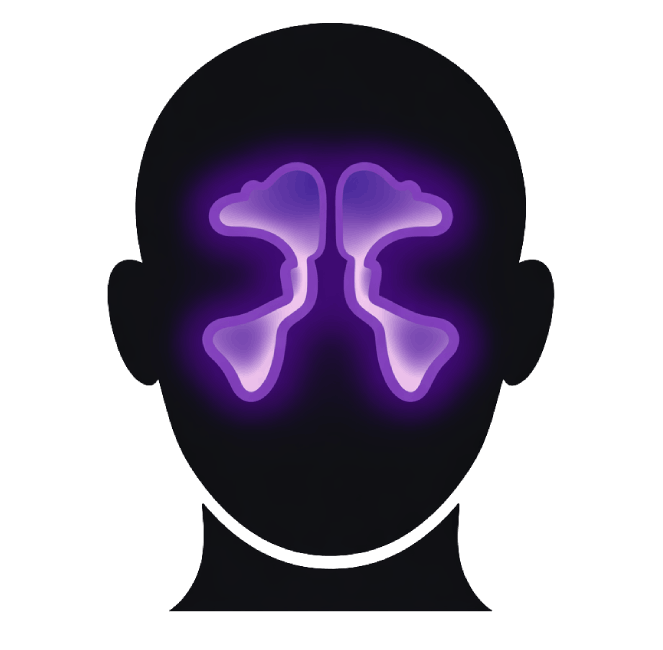
Pathway 05: ENT / Sinus Symptoms
Sinus pain that won’t go away. A blocked nose that no medication fixes. CT PNS is one of the simplest scans to have — no injection, no preparation, over in a few minutes. Your ENT specialist gets a precise map of your sinus anatomy to guide their recommendation, whether that’s medication, further evaluation, or surgery.
Book your CT PNS at RxDx — and take a step toward finally getting that answer.
Choosing the Right Scan: CT vs. MRI vs. Ultrasound
CT, MRI, and Ultrasound each have distinct strengths. The choice depends on the clinical question your doctor is trying to answer. If you are unsure which scan you require, our team can help guide you based on your doctor’s prescription.
| CT Scan | MRI | Ultrasound | |
|---|---|---|---|
| Technology | X-ray based | Magnetic field | Sound waves (no radiation) |
| Speed | Very fast | Slower | Fast |
| Radiation | Low-dose X-ray | None | None |
| Best for | Trauma, lungs, bones, brain bleed, kidney stones | Brain tumours, spine, soft tissue detail | Pregnancy, gallbladder, general abdominal screening |
Safety First: Technology & Protocols
Every CT scan at RxDx follows strict safety protocols — focused on minimising exposure, ensuring appropriate use of contrast, and maintaining the highest reporting standards. CT imaging, when performed with appropriate protocols and expert review, is both safe and clinically valuable.
Low Dose Protocols
We use advanced machines to minimize exposure. Radiation does not remain in the body.



Pregnancy Policy
Scans avoided unless essential; status verified before scanning.
Contrast Safety
Creatinine (kidney) checks and hydration protocols ensure safe administration.
Expert Review
Every scan interpreted by qualified radiologists to ensure benefit outweighs risk.
Find Us: RxDx Clinics, Whitefield
CT Scan services are available at RxDx Clinics, Whitefield only. [Address, hours, phone, and WhatsApp details as per official RxDx listings] [Map embed]
Serving Whitefield & Nearby Areas
Our CT scan centre in Whitefield is easily accessible from across Bengaluru’s eastern corridor. Patients travel to us from ITPL · Brookefield · AECS Layout · Kundalahalli · Marathahalli · Varthur · Hoodi · Kadugodi · ORR · Mahadevpura — because what makes the trip worth it is what they find here: international-standard machines, same-day reporting, and a radiology team trusted by doctors across India and beyond.
Searching for ‘CT scan near me’ in Whitefield or nearby? Book directly online — no referral needed to enquire.
FAQs - CT Scan at RxDx Clinics, Whitefield
Is CT scan available at all RxDx Clinics?
No. CT scan services are available only at RxDx Clinics, Whitefield.
How much does a CT scan cost in Whitefield?
Cost depends on body part and whether contrast is used. See the pricing table above — all prices are confirmed upfront before your scan begins.
Can I book a CT scan online with a specific date and time?
Yes. Slot-based booking is available online, with clinical verification as part of the process.
Do I need a prescription for a CT scan?
In most cases, yes. CT scans are performed with a valid prescription or documented clinical indication.
What is the difference between plain and contrast CT?
A plain CT is done without any injection. A contrast CT uses an injected agent to highlight organs, blood vessels, or areas of inflammation — and is used only when clinically required. See the Plain vs. Contrast section above for full details.
Is a CT scan safe?
Yes, when performed with appropriate protocols. CT uses controlled, low-dose radiation and is advised only when the clinical benefit outweighs the risk. Radiation does not remain in the body after the scan.
Do I need to fast before a CT scan?
Fasting is usually only required for contrast CT scans. Specific instructions are provided during the booking process.
Is contrast safe for the kidneys?
Contrast is safe for most patients. As a precaution, kidney function (creatinine level) and any allergy history are reviewed before administration. Your safety is confirmed before the scan proceeds.
Can pregnant women have a CT scan?
CT scans are generally avoided during pregnancy unless clinically essential. Pregnancy status is always verified before scanning.
How long does a CT scan take?
The scan itself typically takes 5–15 minutes. Total visit time, including registration and preparation, is usually 30–45 minutes.
Who reviews my CT scan report?
All CT scans are interpreted by a pool of qualified, trained radiologists — part of a global teleradiology network reporting for 200+ hospitals since 2002.
When will I receive my CT scan report?
Most reports are available the same day. For urgent cases, turnaround can be within 2–4 hours. Specific timelines are communicated at the time of booking.
Can I consult a doctor after my CT scan?
Yes. Doctor consultations can be arranged for report interpretation and to discuss next steps — available at RxDx Whitefield.
*Images used on this page may include AI-generated visuals for illustrative purposes.